

Why Is My ABS Light On?
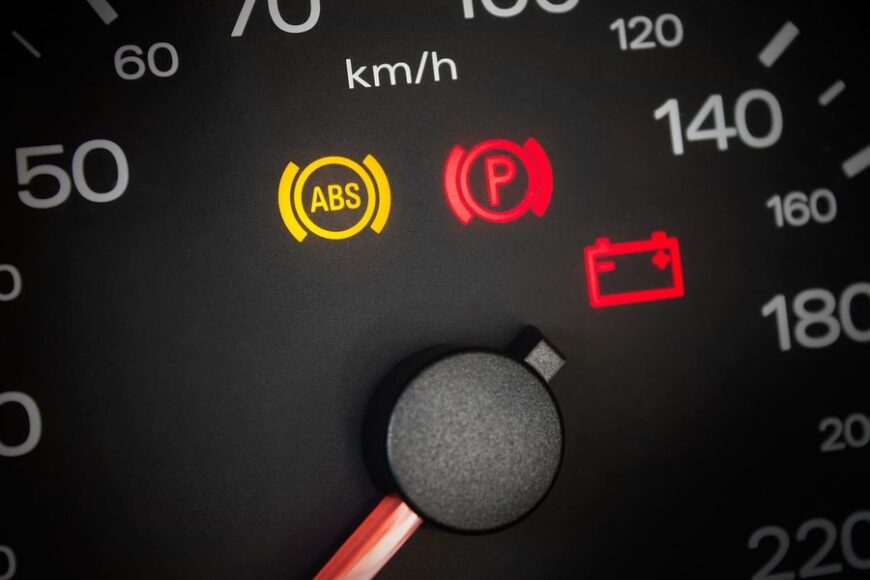
What does it mean when the ABS light comes on?
An ABS warning light usually means the anti-lock braking system has detected a fault and may not be operating as intended. Common causes include a damaged wheel-speed sensor, wiring problems, low system voltage, or a fault within the ABS control system. Your regular brakes may still work, but you may lose the anti-lock function that helps prevent wheel lock during emergency braking. A professional brake and ABS inspection can identify the source of the warning.
Your anti-lock braking system is designed to help you maintain steering control during hard braking by preventing the wheels from locking up. If the ABS warning light stays on after startup or appears while you are driving, the system has detected a problem that needs attention.
The vehicle may still have conventional braking in some situations, but the anti-lock function may not operate properly. That difference can become especially important on wet, snowy, or icy Edmonton-area roads.
What does the ABS warning light mean?
ABS stands for anti-lock braking system. During hard braking, the system monitors how quickly each wheel is rotating. If a wheel is about to lock, ABS can rapidly adjust brake pressure to help the tire continue rotating and maintain traction.
This can help a driver retain more steering control during an emergency stop, especially on slippery surfaces.
According to guidance available through the U.S. National Highway Traffic Safety Administration, an ABS warning light that remains illuminated can indicate that the anti-lock system is not functioning normally.
Park Muffler’s existing guide to dashboard symbols also provides an overview of common brake and warning indicators. This article goes further into the specific causes and implications of the ABS light.
Is the ABS light the same as the brake warning light?
No. The ABS warning light and the regular brake warning light refer to different parts of the braking system.
The ABS light generally relates to the anti-lock function.
A red brake warning light may indicate another issue, such as:
- Low brake fluid
- Parking brake engagement
- A hydraulic brake-system problem
- Another fault affecting normal braking
If both warning lights are illuminated at the same time, the problem may be more serious and should be inspected promptly.
Park Muffler provides complete brake diagnosis and repair, including ABS, brake lines, fluid service, pads, rotors, and other brake components.
What causes an ABS warning light to come on?
An illuminated ABS light does not identify one specific failed part. Common causes can include:
- A faulty wheel-speed sensor
- Damaged sensor wiring
- Contamination or debris affecting a sensor
- Problems with an ABS tone ring
- Low battery or charging voltage
- ABS control-module faults
- Hydraulic pump or valve problems
- Other electrical issues
Modern ABS systems rely on information from sensors located at the wheels. If the system cannot receive reliable wheel-speed information, it may deactivate the anti-lock function and turn on the warning light.
A diagnostic scan can usually identify stored fault codes that help narrow down which part of the system needs further testing.
Can a bad wheel-speed sensor turn on the ABS light?
Yes. Wheel-speed sensor problems are a common reason for ABS warnings.
Each sensor monitors the rotation of a wheel and sends that information to the control system.
If one sensor stops reporting correctly, ABS may no longer be able to compare wheel speeds accurately.
Problems can develop because of:
- Sensor damage
- Corroded wiring
- Broken electrical connections
- Dirt or debris
- Damage around the wheel hub or tone ring
A sensor-related fault does not always mean the sensor itself needs replacement. Wiring and connectors should also be inspected before parts are changed.
Can a weak battery cause the ABS light to come on?
In some vehicles, low system voltage can contribute to ABS or other dashboard warnings.
Modern braking systems depend on electronic control modules and sensors. If battery voltage drops too low during startup or the charging system is not operating correctly, a module may record a fault.
If the ABS light appears alongside battery, charging, or other electrical symptoms, it may be worth checking the electrical system as part of the diagnosis.
Park Muffler offers automotive electrical and diagnostic services in addition to brake repairs.
Driving With the ABS Light On
Whether the vehicle can continue to be driven depends on which warning lights are present and how the brakes feel.
Can you still drive when the ABS light is on?
If only the ABS light is illuminated, your vehicle may still have normal conventional braking, but the anti-lock function may be unavailable. That means the wheels may be more likely to lock during hard braking.
This matters particularly on:
- Snow
- Ice
- Wet pavement
- Loose gravel
- Other low-traction surfaces
Edmonton and Sherwood Park drivers regularly encounter conditions where traction is limited, so an ABS fault should not be left unresolved.
If the red brake warning light is also illuminated, the brake pedal feels unusual, stopping distances have increased, or braking performance has changed, stop driving and have the vehicle inspected.
What happens if ABS stops working?
Without functioning ABS, the brakes can still apply normally in many vehicles, but the system cannot automatically pulse brake pressure if a wheel begins locking during a hard stop.
A locked wheel has less ability to steer around an obstacle. This is why ABS is especially useful during emergency braking or on slippery roads.
The warning light is therefore not simply a reminder to address at the next convenient service. It indicates that an important braking safety feature may be unavailable.
Diagnosing an ABS Warning
The light itself tells you that a fault exists, but not what caused it.
How is an ABS warning light diagnosed?
Diagnosis commonly starts by checking the ABS control system for stored fault codes.
Depending on those results, a technician may then inspect:
- Wheel-speed sensor readings
- Sensors and tone rings
- Wiring and connectors
- Battery and charging voltage
- Brake fluid level
- Hydraulic ABS components
- Control modules
Simply replacing the first part associated with a fault code is not always enough. For example, a sensor code could be caused by damaged wiring rather than the sensor itself.
A proper diagnosis looks for the underlying cause.
Can the ABS light reset on its own?
Sometimes a warning may disappear after restarting the vehicle, particularly if the fault was temporary. However, that does not necessarily mean the issue is resolved.
If the system recorded a fault, diagnostic information may still be stored. If the light returns, the problem should be investigated. Recurring ABS warnings are especially worth checking before winter conditions make anti-lock braking more important.
When to Get the ABS System Checked
When should an ABS warning light be professionally diagnosed?
Schedule an inspection if:
- The ABS light stays on after startup
- It comes on repeatedly while driving
- The red brake warning light is also illuminated
- The brake pedal feels different
- Your vehicle pulls or behaves unpredictably when braking
- You hear unusual brake noises
- Other traction or stability-control lights appear at the same time
Ignoring the warning will not normally correct the fault, and a failed ABS component can leave the system unavailable when you need it most.
ABS Diagnosis and Brake Repair in Sherwood Park and Edmonton
An ABS warning light can be triggered by something as localized as a sensor or wiring problem, or by an issue elsewhere in the braking or electrical system.
Rather than guessing which component is responsible, diagnostic testing can identify why the warning is being triggered.
Park Muffler provides brake and ABS repair, automotive diagnostic services, and complete auto repair in Edmonton and Sherwood Park.
Proudly Canadian owned and operated

© Park Muffler - All Rights Reserved.