

Benefits of Keeping Your Seasonal Tires on Rims
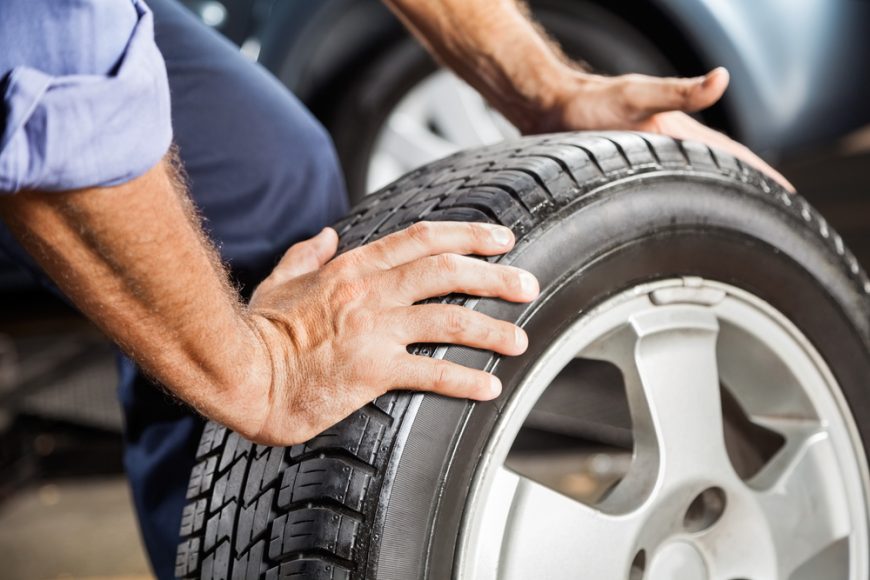
Are you looking for an easy way to change your tires? Do you want to keep lower profile tires on your car in the summer and winter tires on in the winter?
Then you may benefit from having rims on your tires!
Providing both sets of tires with rims is a great way to simplify tire changes and allow you to customize your driving experience for the different seasons.
At Park Muffler, we provide exceptional tire services and understand the nuances of tire choice and care.
Keep reading to learn more about the benefits of rims on tires, how to change tires on rims, and all about storing tires on rims:
Why Have Two Sets of Rims?
One of the main reasons drivers consider having two sets of rims for their vehicles is so they can use lower-profile tires. Low-profile tires are perfect for improved handling, increased fuel efficiency, better braking, and overall appearance.
Low-profile tires offer:
- Sharper handling and more precise steering response
- Improved fuel efficiency due to reduced rolling resistance
- Better braking performance
- A sportier, more aggressive look
However, low-profile tires are not ideal for irregular surfaces, such as gravel roads, snow, ice, and roads that are riddled with potholes (which can cause significant damage to your vehicle if you’re not careful!).
Pros & Cons of Having Tires on Rims
If you are wondering if you should get rims for your winter tires or swap them back and forth twice a year, here are some pros and cons you should consider:
The Pros
- Faster, cheaper seasonal swaps: With each tire already mounted on its own rim, you can either swap them yourself or have them changed quickly at the shop—no need to remount and balance each tire.
- Protect your summer rims from winter damage: Salt, ice, and road debris can corrode or pit alloy rims. Having a set of steel winter rims preserves your nicer set for summer use.
- Extend tire and rim lifespan: Every time a tire is stretched on and off a rim, it causes wear on the tire bead and rim edges. Keeping tires mounted all season prevents unnecessary strain and reduces the risk of leaks or damage.
The Cons
- Higher upfront cost: Buying an extra set of rims is an initial investment, but it pays off long-term by lowering swap costs and reducing wear.
- Storage space needed: Having two full sets of tires on rims means you’ll need proper storage. However, with the right setup, storing them safely is simple—and Park Muffler can help you with proper tire storage advice or services.
How to Store Tires on Rims Properly
When you have your tires on rims, it’s important to consider how you plan to store them during their off-season. If you don’t store your tires properly, you may end up shortening their lifespan!
You may be tempted to store your tires on rims by stacking them one on top of the other, but this may cause deformities and other issues with your tires. Even though tires are built to withstand harsh road conditions, they can easily deteriorate if they are stored incorrectly.
Here are some steps you can follow to ensure they are stored correctly:
- Clean the tires. Using a cloth and mild detergent, remove dirt and debris from your tires before storing them. You may want to use a degreaser to remove brake fluid and road grime. Be sure to let the tires dry completely.
- Place the tires in bags. Using a plastic bag or tire bag, place the tire inside of it and remove as much air as possible before taping the bag closed.
- Choose your storage location. The best location to store your tires is cool, dry, and ventilated (and away from sunlight and heat sources such as floor vents).
- Stack or hang the tires. Hang the tires from hooks or place them side-by-side.
No matter how you store your tires on rims, never leave them outside, even if they are sealed in bags. Harsh temperatures and other conditions can compromise their integrity and lifespan.
How to Change Tires on Rims
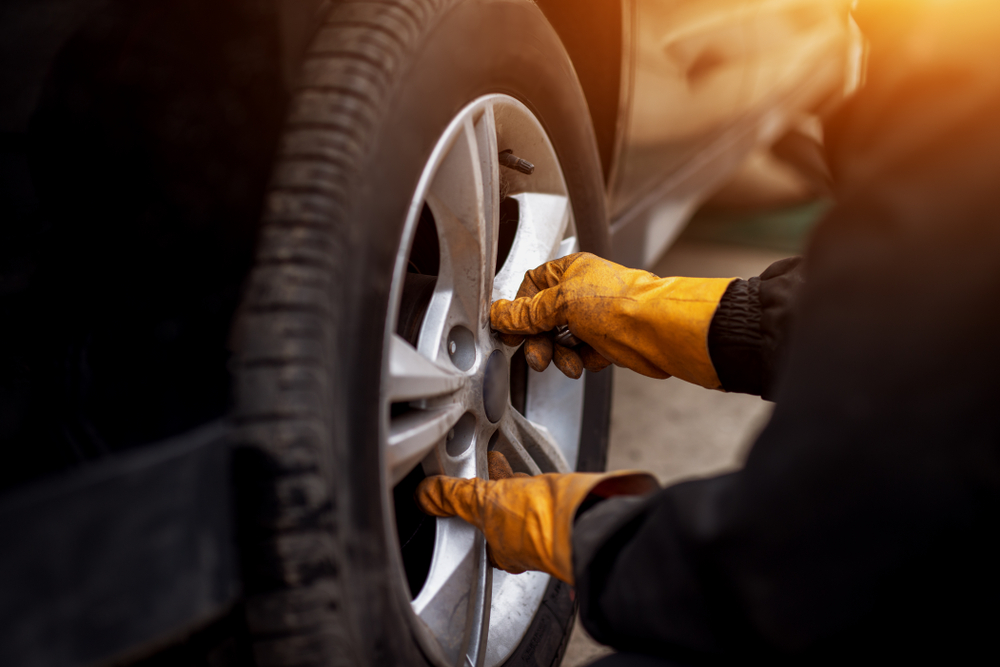
One of the most notable benefits of having your tires on rims is that you can easily change your tires without worrying about removing the rims.
- Begin by parking your vehicle on a flat and stable surface that will prevent the car from rolling. You should also apply the parking brake and place a brick in front of and behind the back tires for additional safety.
- Using a jack, place it under your car near the tire you are changing and raise it until your car is supported without being lifted.
- Loosen the nuts using a standard cross wrench, turning counterclockwise – but don’t remove them!
- By loosening the nuts while the tire is on the ground, you’ll have an easier time turning the lugnuts instead of the wheel.
- It can take some force to break the lug nuts free, so you may have to use your body weight on the wrench. Just be careful not to strip the lug nuts.
- Crank the jack to raise the tire from the ground, high enough so you can remove the tire. Make sure your vehicle is stable as you lift, correcting the jack if you notice any instability.
- Continue removing the lug nuts before pulling the tire from the vehicle.
- Place the tire you are switching to on the hub, aligning the rim with the wheel bolts. Replace the lug nuts.
- Tighten the lug nuts by hand until they are snug before using the wrench. Avoid using excessive force so that you don’t disturb the jack.
- Lower the car carefully without applying full weight on the tires. Tighten the lug nuts.
- Lower the car completely and remove the jack. Finish tightening the nuts and replace the hubcap.
Pro Tip: Always double-check your vehicle’s jack points and torque specs before performing a tire change at home.
Rims On Tires – Are You Ready?
Tires are an essential component of your vehicle and impact its safety and performance. If you’re ready to pop your extra tires on some rims, let Park Muffler help you out!
Our expert automotive technicians have the tools and know-how to ensure your tires are properly installed. Book your appointment or get in touch for more information!
–
Written: August 27, 2022 | Last Updated: November 5, 2025 | By Park Muffler
Proudly Canadian owned and operated

© Park Muffler - All Rights Reserved.