

What Causes Exhaust Drone and How Can It Be Reduced?
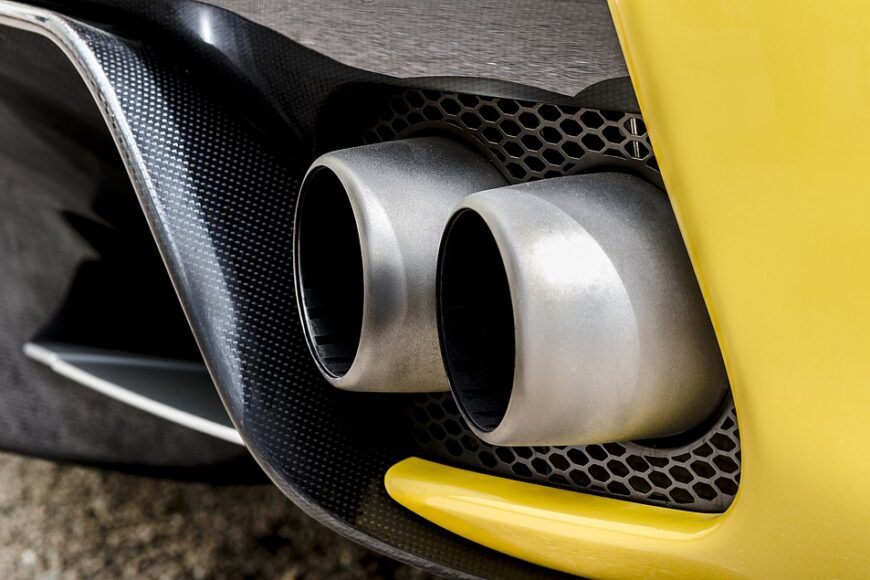
Why does my exhaust drone at certain speeds?
Exhaust drone happens when sound waves and vibrations from the exhaust system become especially strong at certain engine speeds or frequencies. It may be more noticeable after changing the muffler, resonator, pipe diameter, or other parts of the exhaust. Because drone is frequency-specific, simply making an exhaust quieter does not always eliminate it. A properly selected resonator, muffler, or custom exhaust configuration can help target the source of the unwanted sound.
A louder exhaust can be part of the appeal of modifying a vehicle, but there is a difference between an exhaust note you enjoy and a constant low-frequency sound that becomes tiring on the highway.
That persistent hum or booming sound is often called exhaust drone. It commonly appears within a particular RPM range and can become much more noticeable during steady-speed driving.
Understanding Exhaust Drone
What is exhaust drone?
Exhaust drone is a continuous low-frequency humming, booming, or vibrating sound that is often heard inside the cabin.
It is commonly most noticeable when the engine is held at a relatively steady RPM, such as during highway cruising.
Drone differs from the exhaust sound you hear during acceleration. A performance exhaust may have a strong tone when you accelerate but still be comfortable at cruising speed if the system has been designed well.
A system with significant drone may produce an unpleasant cabin resonance even when the exhaust does not sound excessively loud outside the vehicle.
Park Muffler’s article on muffler deletes mentions drone as one potential drawback of removing exhaust sound-control components.
Why is exhaust drone worse at certain RPMs?
The frequency of exhaust pulses changes as engine speed changes.
At certain RPM ranges, those frequencies can interact with the exhaust pipes, mufflers, resonators, and even the vehicle cabin in a way that amplifies a particular sound.
That is why drone may be strong at 2,000 RPM, for example, but become much less noticeable above or below that range.
Technical research from SAE International describes how exhaust resonators can be designed to reduce specific low-frequency exhaust noise.
This frequency-specific behaviour is also why the right solution depends on the individual vehicle and exhaust setup.
Why Exhaust Modifications Can Create Drone
Can changing the muffler cause exhaust drone?
Yes.
A factory exhaust is designed as a complete system. The muffler, resonator, pipe diameter, pipe length, and component placement all influence the final sound.
Replacing the factory muffler with a freer-flowing or louder design can change the frequencies that are reduced or amplified.
The result may be:
- A deeper exhaust tone
- Increased overall volume
- More sound during acceleration
- A new low-frequency drone at cruising RPM
This does not mean every performance muffler creates drone. It means the component has to work with the rest of the system.
Park Muffler offers muffler replacement, custom options, and sound testing for drivers considering exhaust changes.
Can removing the resonator create drone?
It can.
A resonator is designed to manage certain sound frequencies within the exhaust system.
Removing it may make the exhaust sound more aggressive, but it can also allow frequencies that were previously controlled to become more noticeable.
Depending on the vehicle, a resonator delete can lead to:
- Cabin drone
- More rasp
- A harsher exhaust note
- Increased volume at certain RPMs
The effect varies between vehicles because engine configuration and exhaust design are different.
Can a larger exhaust pipe cause drone?
Pipe diameter can influence exhaust sound and resonance.
Changing to a significantly larger exhaust pipe alters how pressure waves travel through the system, which may shift the frequencies at which the system resonates.
However, pipe size is only one factor.
An exhaust system should be designed around:
- Engine characteristics
- Desired sound
- Power goals
- Muffler selection
- Resonator design
- Pipe length and routing
Changing one part without considering the rest of the system can produce unexpected results.
Ways to Reduce Exhaust Drone
Can a resonator or muffler reduce exhaust drone?
Yes. Both can help, although they work differently.
A resonator is particularly useful when the problem is concentrated around a specific frequency or RPM range. It can be designed to reduce that sound without necessarily making the entire exhaust dramatically quieter.
A muffler typically has a broader effect on overall exhaust volume.
Depending on the vehicle, the solution may involve:
- Adding or changing a resonator
- Choosing a different muffler
- Changing component placement
- Adjusting pipe design
- Combining a muffler and resonator more effectively
SAE research into exhaust system resonators demonstrates how tuned resonators are used to target particular resonance frequencies.
Will adding a resonator make my exhaust too quiet?
Not necessarily. The purpose of a resonator is not simply to remove as much sound as possible.
A properly selected resonator can target an undesirable frequency while preserving much of the exhaust character you want during acceleration. For someone who likes the sound of their modified exhaust but dislikes the steady highway drone, this can be an important distinction.
Can exhaust drone be reduced without replacing the whole system?
Often, yes.
If the existing exhaust is otherwise in good condition, it may be possible to change one part of the system rather than replace everything.
A custom exhaust technician can consider:
- Where the drone occurs in the RPM range
- Existing pipe diameter
- Current muffler
- Whether a resonator is present
- Available space under the vehicle
- Desired sound after the modification
Park Muffler provides custom exhaust fabrication and repair for vehicles in Sherwood Park and Edmonton.
Is the Noise Actually Exhaust Drone?
Not every humming or vibration is caused by exhaust resonance.
How can I tell exhaust drone from an exhaust leak?
Drone usually appears within a predictable RPM or speed range and sounds like a steady low-frequency boom.
An exhaust leak may create different symptoms, including:
- Ticking
- Hissing
- A sudden increase in exhaust volume
- Exhaust smell
- Noise that changes sharply with acceleration
A damaged exhaust hanger or loose component can also create vibration that may be mistaken for drone.
If the sound appeared suddenly rather than immediately after an exhaust modification, it is worth inspecting the system for damage.
Can vibration from the exhaust feel like drone?
Yes.
An exhaust component touching the vehicle body, crossmember, or another part underneath the vehicle can transmit vibration into the cabin.
Damaged hangers or an exhaust system that is positioned incorrectly may also create buzzing or vibration at certain RPMs.
This can sound similar to acoustic drone even though the cause is physical contact.
Custom Exhaust Drone Solutions in Sherwood Park and Edmonton
Exhaust drone is usually not about whether an exhaust is simply “too loud.” It is often caused by a particular frequency becoming amplified within the exhaust system or cabin.
That is why the most effective solution depends on the exact configuration of the vehicle.
Park Muffler provides custom exhaust services, muffler replacement and customization, and complete automotive repair services for drivers in Sherwood Park, Edmonton, and surrounding areas.
Proudly Canadian owned and operated

© Park Muffler - All Rights Reserved.