

- September 8, 2026
- By parkmuffler
- In Blog, Vehicle Maintenance
Google Rating
Based on 1903 reviews
Why Does My Steering Wheel Shake When I Brake?
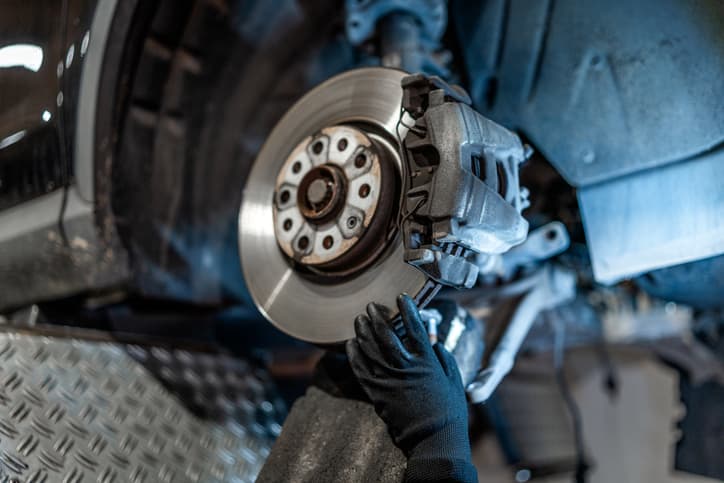
Why does my steering wheel shake when I brake?
Your steering wheel may shake when braking because of uneven brake rotors, worn brake components, suspension problems, or issues affecting the wheels and alignment. If the vibration appears mainly when the brakes are applied, the braking system is often one of the first areas that should be inspected. The shaking may become more noticeable at higher speeds or during harder braking.
If your steering wheel starts shaking when you press the brake pedal, it is a sign that something in the braking or front-end system may need attention. The vibration can range from a mild pulsing sensation to a strong shake that becomes more noticeable when braking from higher speeds.
For drivers in Edmonton and Sherwood Park, potholes, rough roads, winter conditions, and normal component wear can all contribute to problems that affect braking, steering, or suspension performance.
Common Brake Problems That Can Cause Steering Wheel Vibration
When the vibration happens mainly while braking, the front brake system is often one of the first areas to inspect.
Can worn brake rotors make the steering wheel shake?
Yes. Uneven brake rotors are one of the most common causes of steering wheel vibration during braking.
The brake pads press against the rotors every time you slow the vehicle. For braking to feel smooth, the rotor surfaces need to remain even enough for the pads to apply consistent pressure.
If the rotor develops thickness variation or excessive runout, the pads can experience changing levels of contact as the rotor turns. That variation can create a pulsing or shaking sensation through the brake pedal, suspension, or steering wheel.
Technical brake guidance published through the U.S. National Highway Traffic Safety Administration identifies disc thickness variation as a common contributor to brake pulsation and steering wheel vibration.
The shaking is often more noticeable when braking from highway speeds because the rotor is spinning faster before the brakes are applied. A technician can inspect rotor condition, thickness, brake pads, and related components to determine whether your vehicle needs brake repair or service.
Can uneven brake pad wear cause vibration?
It can contribute to uneven braking.
Brake pads should apply consistent pressure across the rotor surface. If pads are wearing unevenly because of a sticking component, worn hardware, or another brake problem, the braking force may not remain balanced.
Other signs of uneven wear can include:
- Pulling while braking
- Grinding or scraping noises
- One wheel becoming hotter than the others
- Reduced braking performance
- Premature pad wear on one side
Uneven pads should not simply be replaced without determining why the wear occurred.
Could a sticking brake calliper cause steering wheel vibration?
Yes. A brake that does not apply or release properly can create uneven braking force. The brake calliper presses the pads against the rotor when you use the brakes. If the piston or slide mechanism begins sticking, one wheel may apply more braking force than the other or remain partially engaged after you release the pedal.
This can cause:
- Pulling to one side
- Uneven brake wear
- Excessive heat
- Burning smells
- Vibration while braking
If the steering wheel shakes along with pulling or one wheel becoming unusually hot, the braking system should be inspected.
Why the Vibration May Only Happen When Braking
The timing of the vibration can provide an important clue.
Why does the vibration happen only when braking?
If your vehicle feels smooth during normal driving but begins vibrating as soon as you press the brake pedal, the problem may involve a component that only becomes loaded during braking.
Brake rotors and pads are obvious areas to check, but braking also shifts the weight of the vehicle forward.
That weight transfer places additional load on:
- Control arms
- Bushings
- Ball joints
- Wheel bearings
- Steering components
- Shocks and struts
If one of these parts already has excessive movement or wear, braking may make the problem much easier to feel.
This is why a vibration that feels brake-related is not always caused exclusively by the brakes.
Why does the brake pedal pulse at the same time?
If the steering wheel shakes and the brake pedal also pulses, uneven braking force at the rotor is one possible cause. Brake judder can be transmitted through the hydraulic system, suspension, and steering components.
Manufacturer diagnostic information published through NHTSA notes that variations in rotor thickness can create vibration felt through the brake pedal, vehicle floor, or steering wheel. Read the brake judder diagnostic information here.
ABS operation can also create pedal pulsation during hard braking on slippery surfaces, but normal ABS activation is different from a vibration that consistently occurs during ordinary braking.
Steering and Suspension Problems That Can Make Braking Vibration Worse
Not every shaking steering wheel is caused by the brake rotors.
Can suspension problems cause shaking when braking?
Yes. The suspension system keeps the wheels controlled and properly positioned as the vehicle moves. When components become worn, braking can expose looseness or instability that may be less noticeable during normal driving.
Possible components include:
- Control arm bushings
- Ball joints
- Wheel bearings
- Tie rods
- Shocks
- Struts
Other symptoms may include:
- Clunking or knocking noises
- Uneven tire wear
- Loose steering
- Excessive bouncing
- Pulling
- Vibration over rough roads
Because brake and suspension symptoms can overlap, inspecting both systems may be necessary. Park Muffler provides suspension inspections and repairs for drivers in Sherwood Park, Edmonton, and surrounding areas.
Can a worn wheel bearing cause vibration while braking?
A worn wheel bearing can contribute to wheel movement or vibration.
Depending on the severity of the wear, you may also notice:
- Humming or growling noises
- Vibration that changes with speed
- Looseness at the wheel
- Irregular tire wear
If the vibration exists even when you are not braking, a wheel bearing, tire, wheel, or suspension problem becomes more likely.
Can wheel alignment cause steering wheel vibration?
Wheel alignment itself is more commonly associated with pulling, uneven tire wear, or a steering wheel that does not sit straight. However, alignment problems may be related to worn or damaged suspension components that can also affect vehicle stability during braking.
Edmonton and Sherwood Park roads can be hard on the front end of a vehicle. Potholes, curbs, rough pavement, and winter conditions can affect alignment and suspension components over time.
If the vehicle pulls or the tires are wearing unevenly in addition to the braking vibration, it may be worth having the wheel alignment checked.
Tire, Wheel, and Hub Issues That Can Affect Braking
A vibration may become stronger during braking even if the original problem is not part of the braking system itself.
Can an unbalanced tire cause shaking while braking?
A wheel or tire imbalance usually causes vibration while driving, particularly at certain speeds, rather than only when braking. However, braking can make an existing vibration feel stronger because the vehicle’s weight shifts forward.
If the steering wheel shakes at highway speed before you touch the brakes, the wheels and tires should be checked as part of the diagnosis.
Technical diagnostic guidance published through NHTSA recommends checking wheel and tire balance when vibration exists during normal driving and becomes amplified during braking. View the diagnostic flowchart here.
Can improper wheel installation cause brake vibration?
It can.
Wheel nuts or bolts need to be tightened evenly to the manufacturer’s specifications. If a wheel is installed unevenly or with incorrect torque, it can affect the wheel, hub, and brake rotor assembly.
This is one reason proper wheel installation matters after tire changes, brake work, or seasonal wheel swaps.
Why Steering Wheel Shake Can Be Worse at Highway Speeds
Speed can make relatively small brake or wheel problems much easier to feel.
Why does my steering wheel shake more when braking at highway speeds?
Brake-related vibration often becomes more noticeable when slowing from higher speeds because the wheels and brake rotors are rotating faster. Even small variations in a rotor or rotating component can create a stronger sensation through the steering system as the brakes apply.
You may notice very little vibration while braking around a parking lot but significant steering wheel movement when slowing after driving on Anthony Henday Drive or another Edmonton-area highway.
Technical brake guidance notes that brake judder caused by uneven rotor thickness can be especially noticeable when slowing from higher speeds.
This does not necessarily mean the problem only exists at highway speeds. The higher speed may simply make it easier to detect.
Why does the shaking get worse after the brakes heat up?
Brake temperature can sometimes influence vibration.
Repeated braking generates heat in the rotors and pads. If braking surfaces have uneven wear, deposits, or other irregularities, the vibration may become more noticeable as temperatures rise.
If you notice that the shaking is mild at first but stronger after repeated braking, mention that pattern when having the vehicle inspected.
Is It Safe to Drive With Steering Wheel Vibration While Braking?
A small vibration may not prevent the vehicle from stopping, but worsening brake or steering symptoms should not be ignored.
Is it safe to keep driving if the steering wheel shakes when braking?
It depends on the severity and cause, but persistent or worsening vibration should be inspected.
Arrange service sooner if:
- The vibration is becoming stronger
- The vehicle pulls sharply while braking
- The brake pedal pulses heavily
- You hear grinding or scraping
- The steering feels loose
- Stopping distances seem longer
- One wheel becomes very hot
- You smell burning near a wheel
- The brake or ABS warning light comes on
If braking performance changes significantly or the vehicle feels difficult to control, avoid continuing to drive unnecessarily.
How Steering Wheel Vibration Is Diagnosed
Finding the cause usually requires looking beyond a single component.
What should be inspected if my steering wheel shakes when braking?
Depending on the symptoms, a technician may inspect:
- Brake pads
- Brake rotors
- Rotor thickness and runout
- Brake calipers
- Wheel bearings
- Hubs
- Control arms and bushings
- Ball joints
- Steering components
- Shocks and struts
- Tires and wheels
- Wheel alignment
The technician may also road-test the vehicle to determine whether the vibration occurs only while braking or is present during normal driving as well.
That distinction can help separate brake-related vibration from wheel, tire, suspension, or steering problems.
Do brake rotors always need to be replaced if they cause vibration?
Not necessarily.
The appropriate repair depends on:
- Rotor thickness
- Condition of the braking surface
- Amount of runout or thickness variation
- Manufacturer specifications
- Pad condition
Some rotors may be serviceable if sufficient material remains and the condition can be corrected properly.
Others may need replacement if they are too thin, cracked, severely scored, or otherwise damaged. This is why measuring and inspecting the components is more useful than assuming every vibration automatically requires new rotors.
Get Brake Vibration Checked in Sherwood Park
A shaking steering wheel during braking can be caused by brake rotor irregularities, uneven brake wear, sticking brake components, suspension wear, wheel issues, or a combination of problems.
The pattern of the vibration provides useful clues. If it only happens during braking, the brakes are a strong starting point. If vibration also occurs while cruising, the wheels, tires, bearings, steering, or suspension may also need attention.
Park Muffler can inspect the braking and front-end systems to identify the source rather than replacing parts based on symptoms alone.
Learn more about our brake repair services, suspension repair, wheel alignment services, or complete automotive repair services for drivers in Sherwood Park and Edmonton.
Proudly Canadian owned and operated

Sitemap | Privacy Policy | Terms of Service
© Park Muffler - All Rights Reserved.